

When was your last time you hear somebody telling you: “Sorry, I don’t know”? How about yourself? When was the last time when you admit you don’t know something? We understand nobody knows everything. If that’s the case, why do we sometimes refuse to say “I don’t know”?
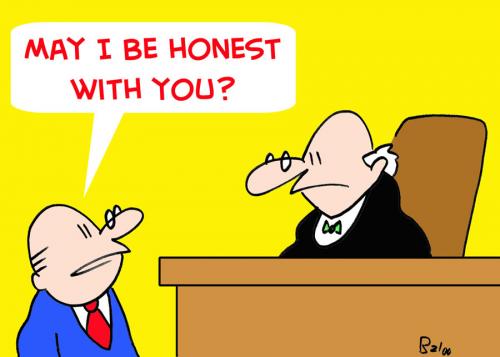
Janine Popick discusses an interesting topic of “The Power of Saying ‘I Don’t Know.’” She encourages people to say “I don’t know” to her. Admitting “I don’t know” eliminates confusions. That’s the way we can make sure our messages are delivered.
This is also the case when dealing with guest services. Working in the hospitality industry, we often feel we are obligated to answer guests’ inquiries right away. It is truth that we need to address every guest’s needs in a timely manner, but it is fine to tell them “I don’t know” or “I am not sure” in some cases --- the key is we need to find out the answers for our guests as soon as possible and let the guests know we are trying our best to help them. People respect our honest answers.
How many times you feel upset because a hotel or a restaurant fails to deliver the service it “promises” you? Please feel free to share your experience with us.
References:
Inc.com: http://blog.inc.com/women-in-business/2010/02/the_power_of_saying_i_dont_kno.html?partner=newsletter_Success
Cartoon was copied from http://www.toonpool.com/user/997/files/judge_honest_with_you_230395.jpg
Janine Popick discusses an interesting topic of “The Power of Saying ‘I Don’t Know.’” She encourages people to say “I don’t know” to her. Admitting “I don’t know” eliminates confusions. That’s the way we can make sure our messages are delivered.
This is also the case when dealing with guest services. Working in the hospitality industry, we often feel we are obligated to answer guests’ inquiries right away. It is truth that we need to address every guest’s needs in a timely manner, but it is fine to tell them “I don’t know” or “I am not sure” in some cases --- the key is we need to find out the answers for our guests as soon as possible and let the guests know we are trying our best to help them. People respect our honest answers.
How many times you feel upset because a hotel or a restaurant fails to deliver the service it “promises” you? Please feel free to share your experience with us.
References:
Inc.com: http://blog.inc.com/women-in-business/2010/02/the_power_of_saying_i_dont_kno.html?partner=newsletter_Success
Cartoon was copied from http://www.toonpool.com/user/997/files/judge_honest_with_you_230395.jpg
I am the type of person that takes a long time when looking through a menu and deciding what to eat. Therefore it is important that the waiter/waitress know how the dishes on the menu taste incase I have questions. If I were managing a restaurant I would make sure the waiters have tasted or at least know the ingredients of most of the dishes on the menu.
ReplyDeletePeople seem to respect the opinions of the waiters/waitresses (or else they wouldn't ask), usually these are people they have never even met before, yet they trust the waiter/waitresses to provide them with an honest opinion and serve good food. It doesnt matter whether the chef prepared the food well or botched an order. The person the customer thanks or complains to will still be you. Saying "I don't know" will dissapoint the customer and is something I think those working in the hospitality industry should avoid saying at all times. Instead of saying "I don't know" you could say "the dish is popular with other guests" (something you can gather from working there for only a few days) or "would you like me to check with the Chef so I can give you a more accurate opinion?"
The same goes in a hotel, for someone at the front desk or concierge, it is definitely unwise to lie, but also not a good idea to say "I don't know." If you truly don't know the answer politely ask them to wait a moment while they check with someone else. I think saying "I'm not entirely sure, but I can check with someone for you" sounds much better.
Once I was at a hotel and the concierge had no idea where a particular bank was. So instead of admiting he didn't know and asking someone else I had to watch him searching in his mind hoping the location of the bank would just magically pop into his head and then it did, but it was a bank location that was not even close to the hotel. I discovered soon after that the bank I was looking for was right across the street. Rather than standing there and making me watch him look confused searching in his mind for answers he could have promptly solved the problem by asking someone else who worked at the hotel.
Guests are much more forgiving when they physically see the trouble you go through to help them. What they don't like to see is you squinting your eyes in confusion and they will be even more dissapointed when you give them false information all because you were afraid properly address the fact that you simply didn't know.
Lorenz
Excellent point!
ReplyDeleteNew York Times discussion on April 23, 2010:
ReplyDeleteWhat’s Wrong With Saying ‘I Don’t Know’? - http://nyti.ms/9lAH9G